
What Makes the World Go 'Round?
A Review of Dickens' Fourth Christmas Story: The Battle of Life: A Love Story

We know the most common answer to the question in the title of this Substack post; in deed if not in word. Charles Dickens knew it as well. We collectively strive for power and wealth. We are willing to give our lives for heroic and memorable deeds. The pages of history pass on these stories from one generation to the next, assuming that they are essential to the ups and downs of human life. But is this really the right answer?
Dickens’ fourth Christmas story begins by painting a vivid picture of what is left to us when power and wealth make the world go ‘round. He describes the ancient remains of a war fought for some purpose long forgotten, yet motivated, as such battles always are, by power, wealth, and fame. With the same effectiveness he showed in his description of the happy home in The Cricket on the Hearth, Dickens begins The Battle of Life with powerful descriptions of what remains in the field of war. Here are a few examples:
“Many a wildflower formed by the Almighty Hand to be a perfumed goblet for the dew, felt its enamelled cap filled high with blood that day…
“…the plain, strewn with upturned faces that had once at mothers’ breasts sought mothers’ eyes…”
“Many a lonely moon was bright upon the battle ground, and many a star kept mournful watch upon it, and many a wind from every quarter of the earth blew over it, before the traces of the fight were worn away.” 1
In this way, Dickens registers his disagreement with the common answer while setting the scene for his alternative. Do power, wealth, and fame really make the world go ‘round? Or is there something else at work all around us if we have eyes to see?
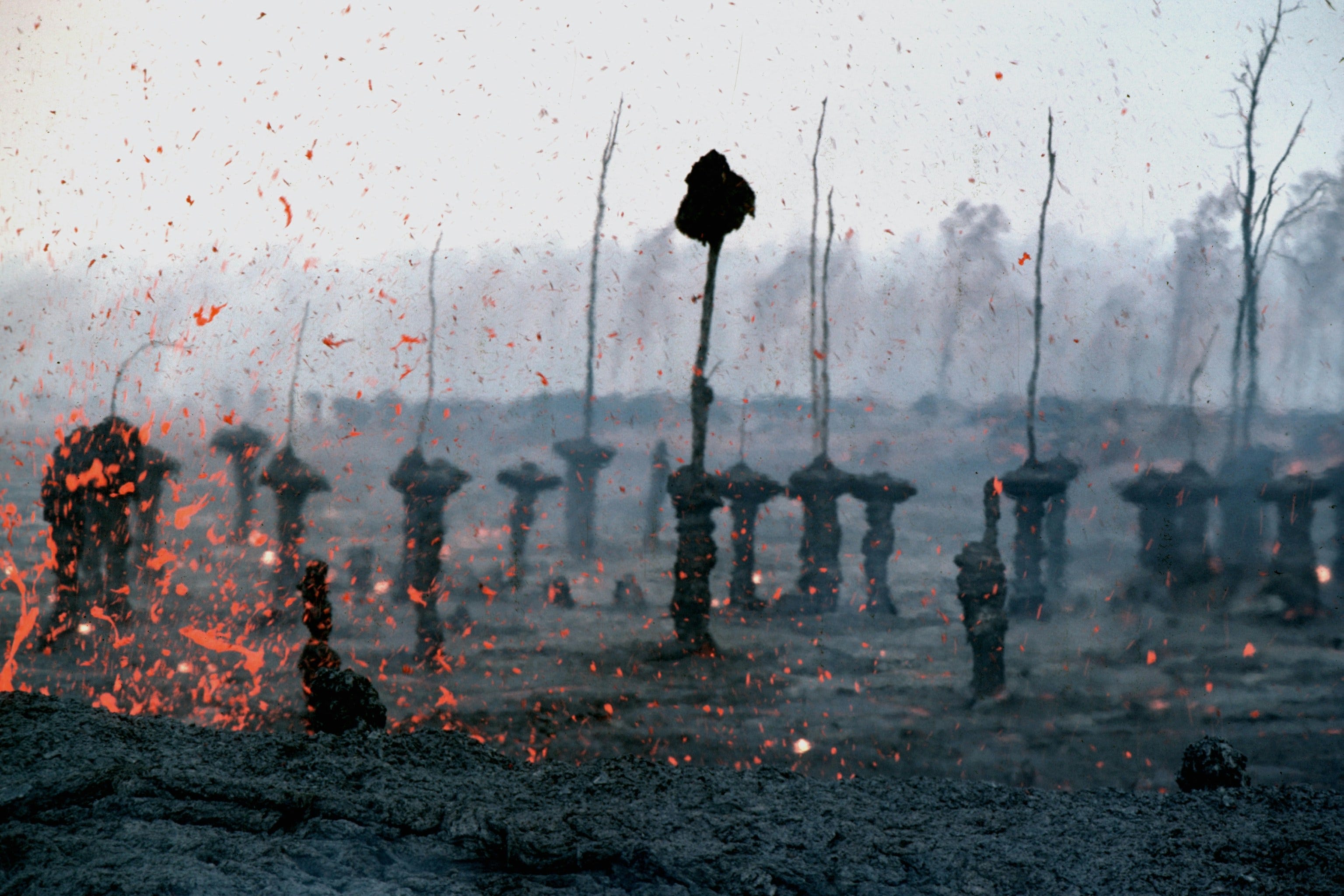
The Battle of Life takes place about 100 years after the war he so effectively describes. In that time, the battlefield shows that “…Nature, far above the evil passions of men, soon recovered Her serenity…”2 The chaos of war now has a home built upon it; the home and hearth of Doctor Jeddler and his two daughters, Grace and Marion. It is in the relationships of this home that Dickens’ answer to the eternal question is developed.
Dr. Jeddler and two lawyer friends are the contrasting background of this stage. Jeddler is a cynic who chooses to laugh at the absurdity of the world. Snitchey and Craggs have made their legal livelihood from broken relationships. The more conflict, the better for their bottom line.
Two younger characters, Alfred Heathfield and Michael Warden, respectively represent the youthful zeal to make one’s name in the world and the twenty-something hedonist’s commitment to fulfilling one’s own desires.
Benjamin Britain and Clemency Newcome are house servants who, as in all of Dickens’ stories, play the blue-collar people whose homespun wisdom is wiser than the intellectual wisdom of the educated class.
We get a first glimpse of Dickens’ answer from young Alfred, in debate with the Doctor and Lawyers:
“I believe, Mr Snitchey,” said Afred, “there are quiet victories and struggles, great sacrifices of self, and noble acts of heroism, in it - even in many of its apparent lightnesses and contradictions - not the less difficult to achieve, because they have no earthly chronicle or audience - done every day in nooks and corners, and in little households, and in men’s and women’s hearts - any one of which might reconcile the sternest man to such a world, and fill him with belief and hope in it…3
Could the quiet, unseen deeds, moment after moment, day by day, over weeks and months and years, have the kind of impact as Alfred suggests?
The body of the story explores this idea through the relationships of its characters until, six years later, Dickens drives home his alternative answer in his final description of Alfred Heathfield:
“He had not become a great man; he had not grown rich; he had not forgotten the scenes and friends of his youth; he had not fulfilled any one of the Doctor’s old predictions. But, in his useful, patient, unknown visiting of poor men’s homes; and in his watching of sick beds; and in his daily knowledge of the gentleness and goodness flowering the by-paths of this world, not to be trodden down beneath the heavy foot of poverty, but springing up, elastic, in its track, and making its way beautiful; he had better learned and proved, in each succeeding year, the truth of his old faith. The manner of his life, though quiet and remote, had shown him how often men still entertained angels unawares, as in the olden time; and how the most unlikely forms - even some that were mean and ugly to the view, and poorly clad - became irradiated by the couch of sorrow, want, and pain, and changed to ministering spirits with a glory round their heads.4
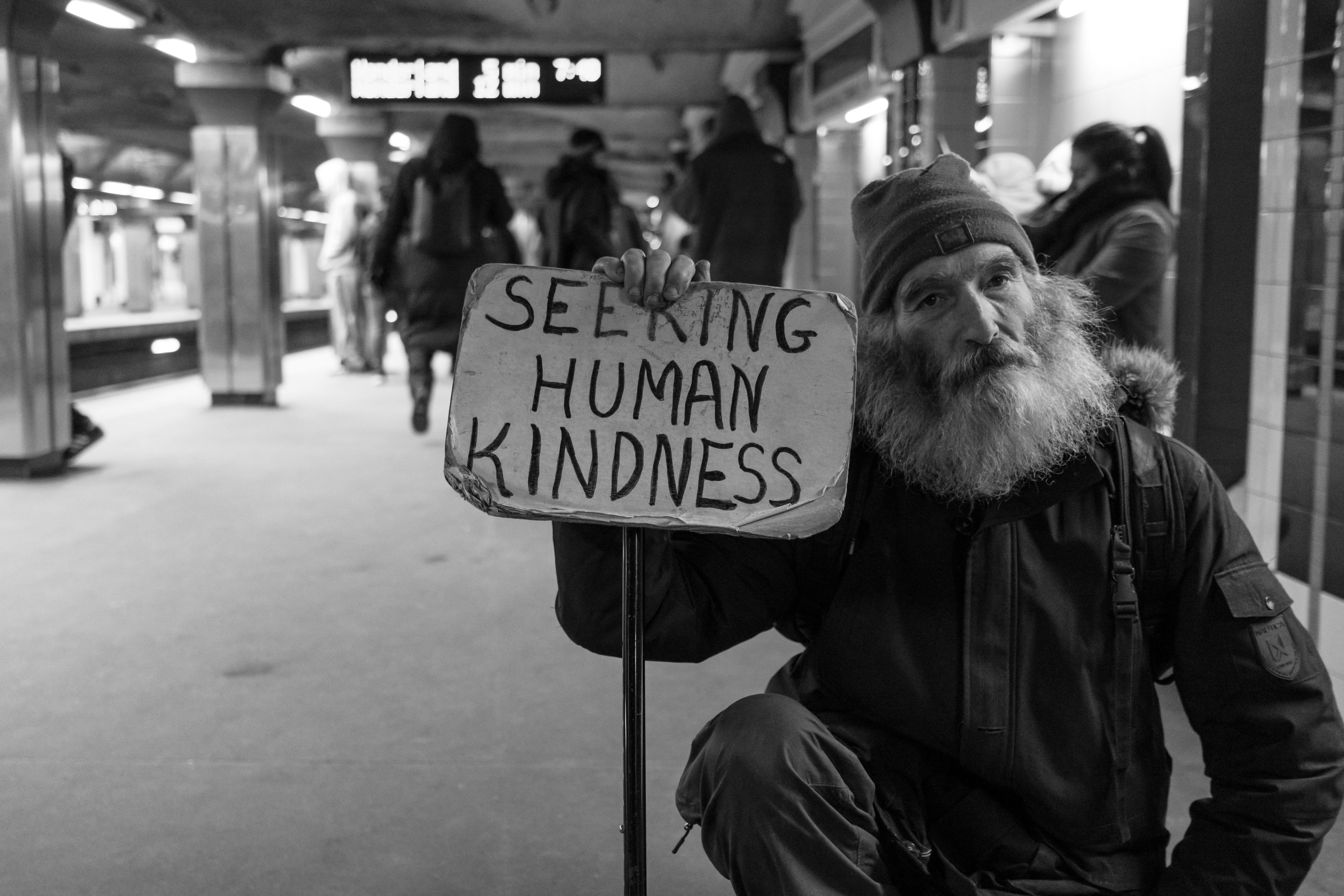
What makes the world go ‘round? Not power or wealth or celebrity but acts of gentleness and kindness, being present with people in distress, and noticing those the world has forgotten.
As we read the last sentence of Dickens’ The Battle of Life, we find ourselves asking what our life, our deeds more than our words, reveal about our answer to the question. What do we really believe makes the world go ‘round?
The Works of Charles Dickens, Volume II, (New York: P.F. Collier), 1870, p. 296
Ibid.
Ibid., p. 300.
Ibid., p. 317.
Awesome! "Love always wins" The world view wins out with most people and TRUTH is ultimately what doesn't ensure money, fame or power and yet the assurance that LOVE always wins comes from the One True Trinity God.